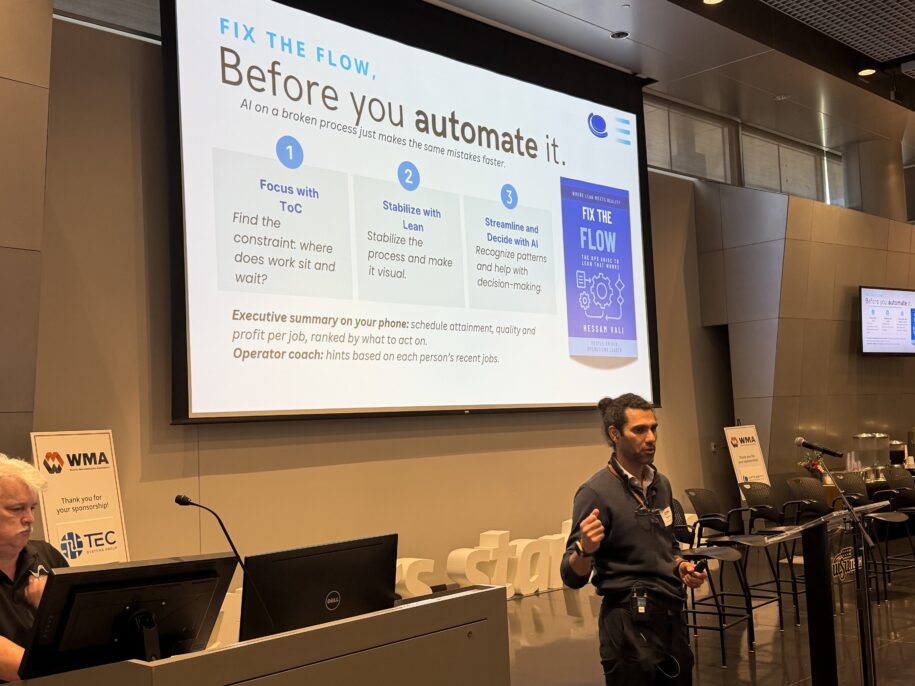
Last week, manufacturers from across the region gathered at WSU Tech in Wichita for the WMA AI in Manufacturing event.
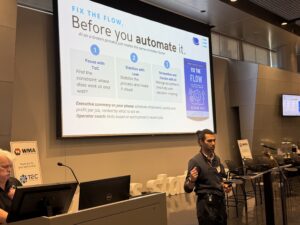
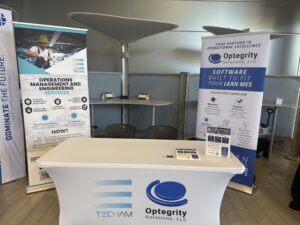
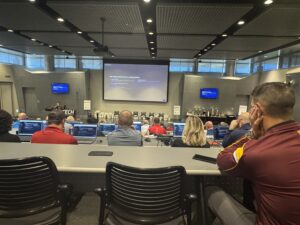
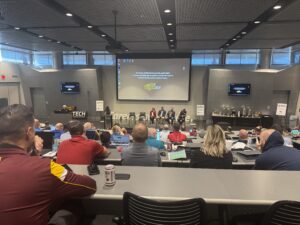
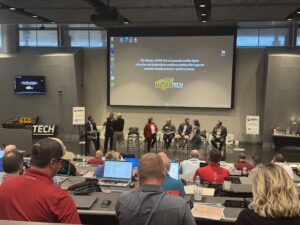
The room was full. The questions were sharp. And the conversation kept coming back to the same place. AI on a broken process just makes the same mistakes faster.
The Question Every Manufacturer Is Asking
How do you apply AI to an operation that isn’t fully visible yet?
It’s the right question. And it’s one most AI vendors don’t want to answer, because the honest answer is: you can’t. Not well.
AI surfaces patterns in data. It generates summaries. It guides decisions. But if the data coming off your floor is incomplete, inconsistent, or siloed — if work instructions live in someone’s head, defects aren’t tracked at the source, and issues get lost between shifts — AI doesn’t fix that. It amplifies it.
The floor has to be readable before AI can make it smarter.
What Optegrity Was Built to Do
Optegrity gives lean manufacturers the digital infrastructure AI needs to work.
Work instructions live at the point of work — step by step, visual, tied directly to the job. Defects get captured where they happen, not at the end of the line. Issues get tracked, owned, and closed with a structured corrective action workflow. Assets get maintained on a predictive schedule, not after they stop the line.
Every module connected. Every data point visible. Every improvement traceable.
That’s the operating system AI needs. Without it, you’re automating a floor you can’t see.
The lean principle hasn’t changed. Build the system before you add to it. Stabilize before you scale.
AI doesn’t replace that discipline — it rewards it. When the floor is running on a lean foundation, AI makes it sharper. Reports write themselves. Patterns surface before they become problems. Root cause analysis moves faster because the data is already there.
That’s what the WMA event made clear. The manufacturers who will get the most out of AI aren’t the ones who adopt it first. They’re the ones who build the foundation right.
Leave a Reply